
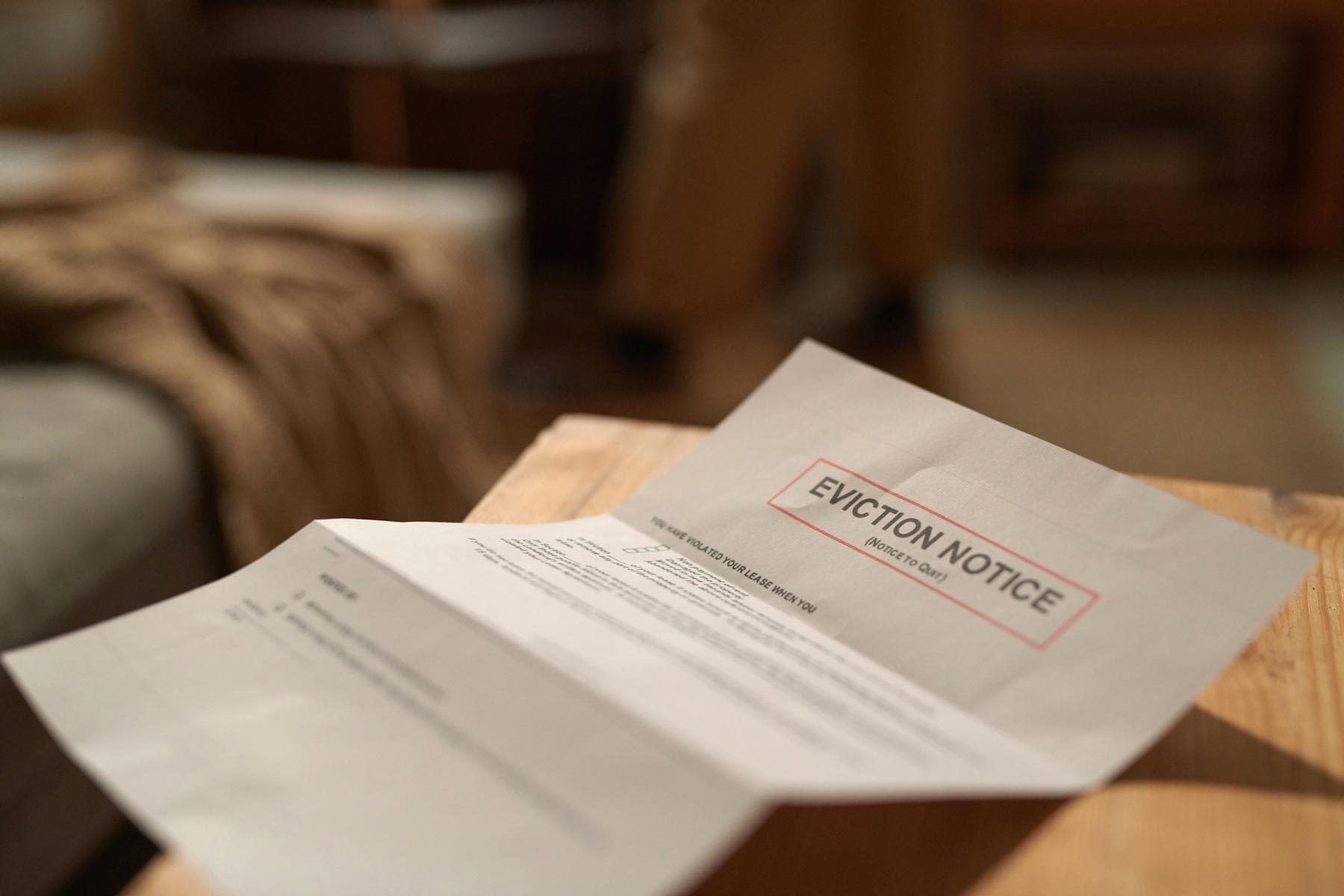
The eviction process in Georgia can be complex. Understanding the legal framework and procedural steps involved is essential to ensure compliance with state laws and to protect your rights as a property owner.
This guide aims to provide a comprehensive overview of the eviction process in Atlanta, GA, highlighting what every landlord needs to know to navigate this often challenging situation effectively.
In Georgia, the eviction process is governed by the Official Code of Georgia Annotated (OCGA) § 44-7-49 – 44-7-59. These laws outline the rights and responsibilities of both landlords and tenants during the eviction process.
Landlords in Atlanta can legally evict tenants under several circumstances:
If a tenant fails to pay rent on time, landlords may initiate eviction proceedings.
Violating terms of the lease agreement can also serve as grounds for eviction. Common violations include unauthorized pets, property damage, or engaging in illegal activities.
If a tenant remains in the property after the lease has expired without a renewal agreement, landlords can pursue eviction.
Serious violations such as criminal activity on the premises may warrant immediate eviction.
The eviction process typically involves the following steps:
The entire process can take anywhere from 30 to 45 days, depending on the circumstances and whether the tenant contests the eviction.
Landlords must serve tenants a written eviction notice before initiating the legal process. The types of notices include:
Notices should be delivered in person, posted on the property, and sent via first-class mail. Proper documentation of the delivery method is essential for legal compliance.
Once the notice period has expired, landlords can file a Dispossessory Affidavit with the appropriate court. This document must include:
Landlords must also pay a filing fee, which varies by county.
After filing the affidavit, the court issues a summons directing the tenant to respond. This summons must be served to the tenant by a sheriff or process server, utilizing personal service or posting and mailing methods if necessary.
Tenants have seven days to file a written or oral answer to the summons. If they fail to respond, a default judgment may be issued in favor of the landlord.
If the tenant responds, a court hearing will be scheduled. Landlords must bring relevant documentation, such as the lease agreement and evidence of payment history, to support their case.
After hearing both sides, the court issues a judgment. If in favor of the landlord, a Writ of Possession is issued, granting the landlord legal authority to proceed with eviction.
If the tenant does not vacate the property within the specified time (typically seven days), the sheriff can enforce the writ and physically remove the tenant.
Landlords must adhere to all legal requirements throughout the eviction process, including proper notice and documentation.
Landlords cannot resort to self-help methods, such as changing locks or shutting off utilities, to evict a tenant. Such actions are illegal and can result in legal penalties.
If a tenant leaves personal belongings after eviction, these items are considered abandoned, and landlords are not required to store them. However, it is advisable to communicate with the tenant about any valuable items left behind.
Eviction costs can include filing fees, sheriff fees, and potential legal fees. For example, filing a dispossessory action in Paulding County may cost around $78.
The eviction process can take approximately 30 to 45 days from start to finish, depending on the court’s schedule and whether the tenant contests the eviction.
If a property is occupied by squatters, landlords must follow the legal eviction process. Squatters may have certain rights after residing in a property for a specified duration, so it’s essential to consult legal advice in these situations..
Landlords seeking assistance can contact organizations such as the Atlanta Legal Aid Society and the Georgia Legal Services Program for guidance.
Landlords can find necessary forms for the eviction process online or at their local courthouse.
No, landlords must provide proper notice and follow legal procedures before an eviction can occur.
Any belongings left behind after an eviction are considered abandoned, and landlords can dispose of them.
The eviction process in Atlanta typically takes 30 to 45 days from start to finish. This timeframe can vary depending on several factors, including whether the tenant contests the eviction, the court’s schedule, and the complexity of the case.
The process includes serving an eviction notice, filing a lawsuit, court hearings, and obtaining a writ of possession for enforcement.
In Georgia, the timeframe for responding to an eviction notice is not a standard 30 days. Instead, tenants usually have 7 days to respond after being served with a summons related to a dispossessory action (eviction lawsuit).
If a tenant fails to respond within this period, the landlord may obtain a default judgment in their favor, allowing for the eviction to proceed.
No, a landlord cannot evict a tenant without a court order in Georgia. The eviction process must go through the legal system, beginning with the filing of a dispossessory action in court. Self-help eviction methods, such as changing locks or shutting off utilities, are illegal and can result in penalties for the landlord.
Only after obtaining a judgment and a writ of possession can a landlord proceed with an eviction through law enforcement.